What Should Dental Practices Look for in a Full-Service Dental Laboratory?
Full-service dental laboratory support can make a meaningful difference for dental practices that want consistent communication, reliable case handling, and a smoother process for restorative and appliance-related work.
Dental offices rarely need only one type of lab service. A practice may send a crown case in the morning, a denture case later in the week, an implant restoration after that, and a nightguard or repair case before the schedule is over. Each case type has different details, materials, timelines, and communication needs. When the practice works with too many disconnected vendors, the process can become harder to manage.
A full-service lab can help simplify that relationship. Instead of treating each case type as a separate problem, the dental office can build a more familiar workflow with one lab partner that understands its preferences, communication style, and patient care goals. That kind of consistency matters for dentists, office managers, assistants, and treatment coordinators who need the lab process to feel organized and dependable.
This guide explains what dental practices should look for when choosing a lab partner that offers broad service support. It focuses on practical qualities that help offices manage cases more efficiently, communicate more clearly, and serve patients with greater confidence.
Key Takeaway for Dental Offices
A full-service dental laboratory should help a dental practice handle more than one kind of case. The lab should support crown and bridge work, removable prosthetics, implant-related restorations, digital impressions, nightguards, orthodontic appliances, repairs, shipping, and case communication in a way that feels organized for the office.
The value is not only in the number of services offered. The real value is whether the lab can help the dental team create a dependable process. A lab may list many services, but the practice should look closely at communication, case instructions, turnaround expectations, digital workflow support, material knowledge, and the lab’s ability to help when a case needs extra attention.
Why a Full-Service Lab Can Be More Practical for Busy Dental Practices
Dental practices work within tight schedules. Patients are booked for exams, hygiene appointments, restorative treatment, adjustments, deliveries, emergencies, consultations, and follow-ups. When lab cases are involved, the office has to coordinate clinical timing with outside production. If that process is confusing, it can affect the entire schedule.
A lab relationship becomes easier when the dental office knows where to send cases, how to submit information, who to contact with questions, and what timeline to expect. This is one reason many practices prefer a lab that can support multiple case types. The office does not have to rebuild the process every time the treatment plan changes.
For example, a patient may begin with a crown and later need a nightguard. Another patient may need a denture repair before moving toward a longer restorative plan. A different patient may need implant-related support, custom components, or a full-arch solution. When the lab can help with different stages of care, the office can maintain a more consistent workflow.
A full-service dental laboratory can also help practices reduce administrative friction. The office team becomes familiar with the lab’s forms, shipping process, case submission style, and communication expectations. Over time, that familiarity can help reduce repeated questions and improve confidence when planning patient appointments.
The Lab Should Understand the Range of Cases Your Practice Sends
Before choosing a lab partner, dental practices should think about the types of cases they send most often. A general dental office may need regular crown and bridge support, dentures, partials, nightguards, repairs, and digital impression workflows. A practice with a strong implant focus may also need custom abutments, zirconia restorations, overdentures, or full-arch case support.
The right lab should understand those needs clearly. It should not only accept different case types. It should have a process for managing the details that come with each one. Crown and bridge work requires attention to preparation detail, margin clarity, shade, material selection, bite records, and contacts. Dentures require different planning around fit, esthetics, function, patient adaptation, and repair needs. Implant cases may require additional coordination around components, restorative space, occlusion, and long-term function.
When a practice works with a lab that understands the full range of case needs, communication becomes more natural. The dentist can send cases knowing the lab has experience with related services and can recognize when additional information may be needed.
Utica Dental Lab supports several common dental practice needs, including crown and bridge cases, dentures, implant-related restorations, digital submissions, repairs, and appliance work. That broad service mix can be useful for offices that want one lab relationship to support several areas of patient care.
Clear Communication Should Be Part of the Lab’s Service
Communication is one of the strongest signs of a dependable lab relationship. Even when the clinical work is strong, a dental practice can still feel frustrated if case questions are unclear, timing is vague, or the team does not know how to reach the lab when a case needs attention.
A good lab should make communication practical. Dental offices should know how to submit cases, where to send digital files, how to include photos, how to handle shipping, and who to contact if a case requires clarification. The lab should also communicate when something is missing before the case moves too far forward.
This matters because many lab-related problems begin with small gaps in information. A missing shade note, unclear margin, incomplete bite record, vague material preference, or missing implant component detail can slow the case down. A dependable lab helps identify those issues early and works with the office to keep the case moving.
Good communication should not feel complicated. It should feel like a clear process that the dentist and team can follow repeatedly. When the lab’s communication style is organized, the dental practice can spend less time chasing updates and more time focusing on patient care.
Dental offices that are reviewing a new lab relationship should pay attention to how communication feels before the first case is sent. If the onboarding process is unclear, the case process may also become unclear. If the lab explains its process well from the beginning, that is usually a better sign.
Digital Workflow Support Should Feel Easy to Use
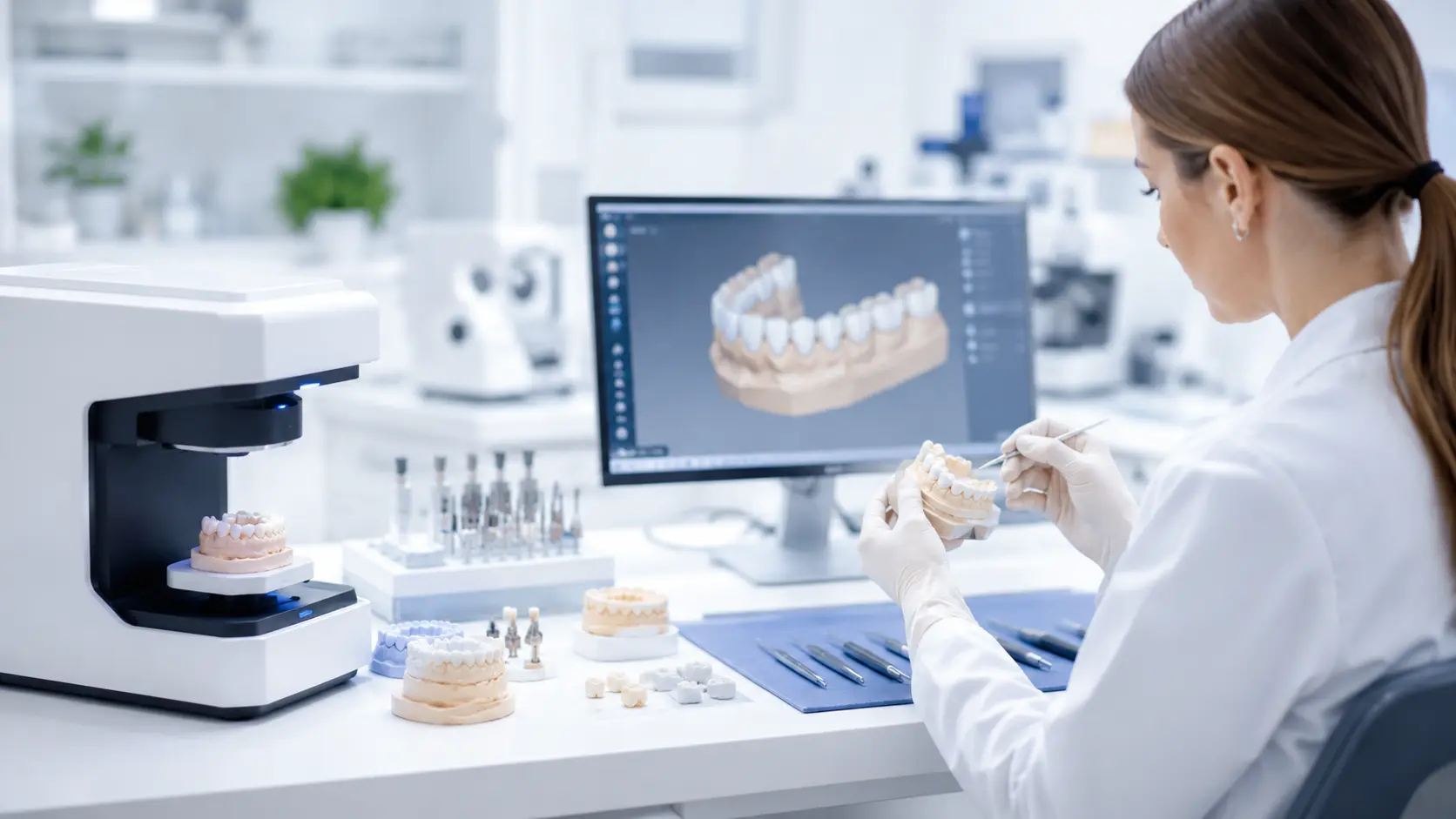
Digital dentistry has changed how many practices send cases to the lab. Intraoral scanners, digital case files, online portals, and modern design workflows can help reduce friction when the office and lab are aligned. For a practice using digital impressions, the lab must be able to support that workflow with clarity.
Digital support is not only about accepting a scan. The lab should have a process for receiving the file, reviewing the case, identifying missing information, and communicating with the office if the scan or prescription needs clarification. A digital workflow can still slow down if no one knows how to submit the file correctly or where case notes should be added.
Dental practices should look for a lab that helps make digital submission easy for the team. The process should be understandable for dentists, assistants, and front office staff who may be involved in case management. When the process is simple, the office can use digital tools with more confidence.
For practices that still use traditional impressions for some cases, flexibility is also important. Not every office is fully digital, and not every case is handled the same way. A practical lab should support the actual workflow of the practice, whether that means digital scans, physical impressions, or a combination of both.
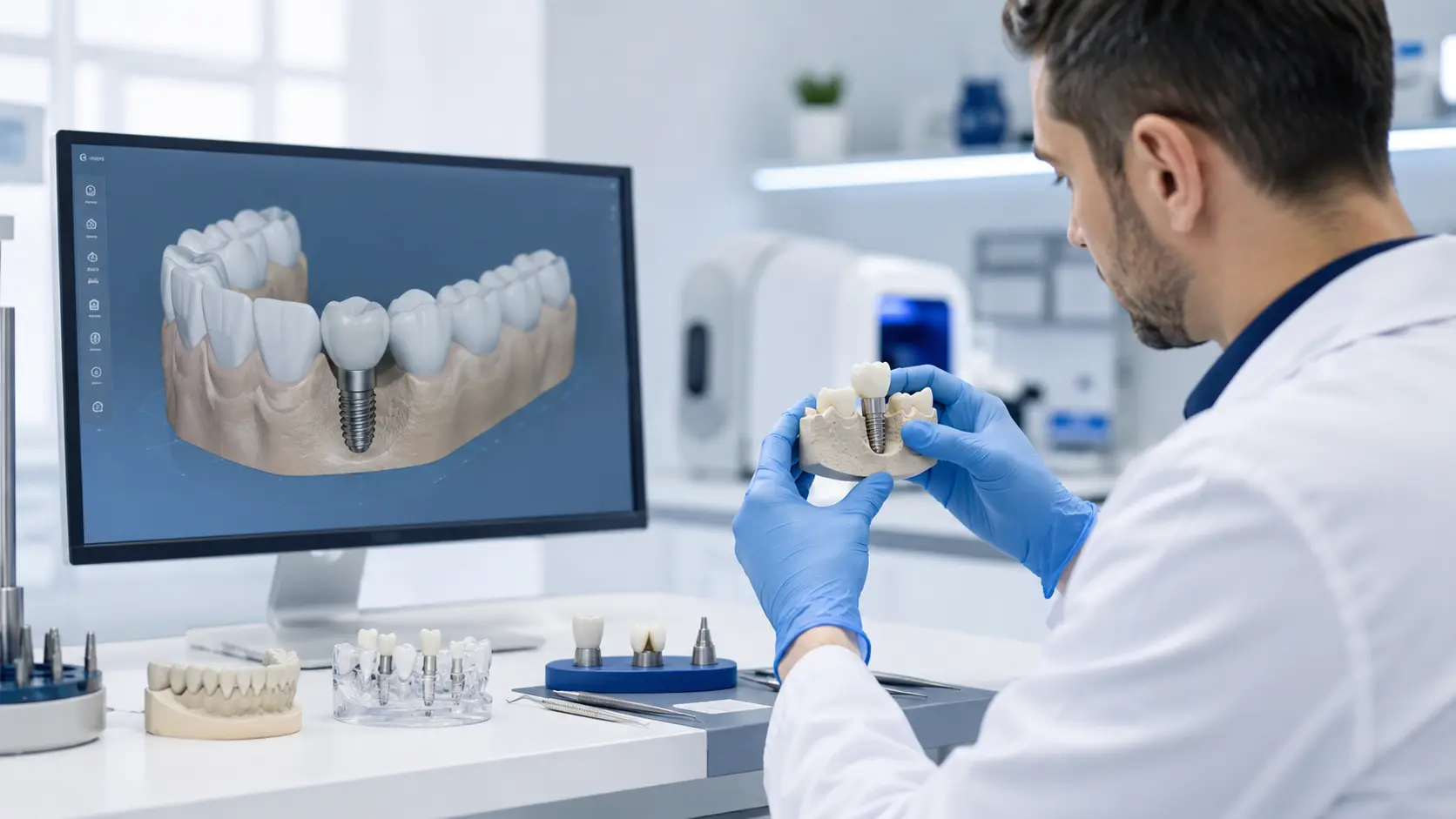
Utica Dental Lab provides support for digital impression systems and offers UDL Connect as part of its case communication and workflow support. For dental offices evaluating a lab partner, digital compatibility can be a major part of the decision.
Material Knowledge Helps the Dentist Make Better Case Decisions
A full-service lab should have practical knowledge of dental materials and how they apply to different types of cases. Dentists make the clinical decisions, but a lab with strong technical understanding can help support those decisions with useful guidance.
Material considerations can vary widely. A posterior crown may need strength and durability. An anterior restoration may require more attention to shade and translucency. A bridge may need a material that fits the span, bite, preparation design, and esthetic expectations. Implant restorations may require additional planning around abutments, zirconia, restorative space, and the patient’s functional needs.
When the lab understands materials well, conversations become more productive. The dentist can discuss the clinical goal, and the lab can help explain technical considerations that may affect fabrication. This helps the practice avoid choosing materials only by habit or convenience.
A lab with broader service support can also help when treatment plans involve multiple stages. For example, a patient may need a removable prosthetic now and implant-related restoration later. Another patient may need crown and bridge work along with a nightguard. A full-service lab that understands different case categories can help the office think through the workflow more clearly.
Utica Dental Lab supports restorative services that include custom abutments and zirconia restorations, which can be helpful for practices managing implant and restorative cases that need more detailed planning.
Removable Prosthetics Should Not Feel Like a Separate Workflow Problem
Dentures, partials, and related removable cases require a different kind of planning than crown and bridge work. They can involve esthetics, function, patient comfort, occlusion, repairs, relines, or future treatment planning. For many practices, removable prosthetics are an important part of patient care, but they can also create workflow challenges when communication is not clear.
A full-service lab should help dental practices manage removable cases with the same level of organization as restorative cases. The office should know what records are needed, how to submit the case, what timeline to expect, and how to communicate patient-specific concerns.
When a patient needs dentures, the dental team may be managing expectations around fit, adaptation, appearance, and timing. If the lab relationship is organized, the office can communicate more clearly with the patient and plan appointments with fewer surprises.
Removable cases may also connect to other services. A patient with dentures may later need a repair, a partial, an implant overdenture, or a different restorative plan. A lab that supports multiple case types can help the office keep those related needs within a more consistent process.
Dental practices that send removable cases can review Utica Dental Lab’s denture services as part of the broader lab support available for patient treatment planning.
Turnaround Expectations Should Be Honest and Predictable
Turnaround time is always important, but it should be discussed with realism. A dental practice needs cases back on schedule, but speed alone does not create a strong lab relationship. The better goal is predictable timing supported by clear communication.
Different case types may require different timelines. A single crown, multi-unit bridge, denture case, appliance, repair, implant restoration, or full-arch case may not move through the lab in the same way. A dependable lab should help the office understand these differences before scheduling delivery appointments.
Honest timing protects the dental practice and the patient. When the office knows what to expect, it can schedule more confidently. When the lab communicates early about delays or missing information, the dental team can adjust before the patient is affected.
Shipping also matters, especially for practices outside the immediate area. Dental offices should understand how cases are sent, what forms are required, how packaging should be handled, and what information should be included. A clear shipping process helps reduce delays and protects the case workflow.
Utica Dental Lab provides shipping and forms information for dental practices that need to send cases. For offices in Utica, Syracuse, other parts of New York, or outside the region, clear submission steps can make the lab relationship easier to manage.
The Lab Should Help the Dental Practice Build Consistency Over Time
A lab relationship usually becomes more valuable when it improves over time. The lab learns the dentist’s preferences, the office learns the lab’s process, and both sides become better at communicating details before they become problems. This is one of the strongest reasons to look beyond one-case pricing and think about long-term fit.
Consistency can show up in many ways. The lab may learn how a dentist prefers contacts, occlusion, shade documentation, material selection, or case notes. The office may learn how to submit digital scans more clearly, how to package cases properly, or how to provide better documentation for esthetic work. Over time, the relationship can become more efficient because both sides understand each other’s expectations.
This kind of consistency is harder to build when the office uses too many vendors for related services. A practice may still choose specialized partners for certain needs, but a full-service lab can provide a central relationship for many common case types.
For busy dental practices, that central relationship can save time. The team knows who to contact, how to submit cases, and what kind of support to expect. The dentist can focus more attention on diagnosis, treatment planning, and patient communication instead of repeatedly rebuilding the lab workflow.
Experience and Trust Should Be Easy to Understand
When evaluating a lab, dental practices should look for signs of experience and stability. A long-standing dental laboratory may have worked through many changes in materials, technology, digital workflows, patient expectations, and restorative techniques. That experience can be valuable when the lab also continues to support modern case needs.
Utica Dental Lab has served as a dental laboratory since 1954. For dental practices, that history matters most when it is connected to practical support today. A lab should be able to combine traditional case knowledge with modern tools, including digital impression workflows, updated materials, and organized communication.
Trust also comes from how the lab handles everyday details. Does the office know how to submit a case? Does the lab communicate when something is unclear? Are timelines explained clearly? Can the practice contact the lab when a case needs special attention? These questions reveal more than a general claim about quality.
A dental practice should feel comfortable sending cases because the process is clear, not because the lab uses broad promises. The more understandable the process is, the easier it becomes for the dental team to decide whether the lab is a good fit.
How a Dental Office Can Evaluate a New Lab Partner
A dental office does not need to judge a lab relationship from one conversation alone. It can start by reviewing the lab’s services, communication process, digital compatibility, case submission requirements, and shipping instructions. From there, the practice can send representative cases and evaluate how the process feels in real conditions.
The first cases can tell the team a lot. The office can review how clearly the lab communicates, how easy submission feels, whether turnaround expectations are realistic, and how the final case is handled. If questions come up, the team can also evaluate how quickly and clearly the lab responds.
It is also useful to think about whether the lab can support the practice beyond one service. If the office sends crowns, bridges, dentures, repairs, nightguards, implant cases, and digital scans, a broader lab relationship may be more efficient than managing separate workflows for each category.
A full-service dental laboratory should help the practice feel more organized. If the lab relationship creates confusion, unclear timelines, or repeated communication gaps, the office may need a better fit. If the lab makes case planning clearer and supports the team’s workflow, it can become a valuable part of patient care.
Frequently Asked Questions
What is a full-service dental laboratory?
A full-service dental laboratory is a lab that supports multiple types of dental cases, such as crowns, bridges, dentures, partials, implant restorations, nightguards, orthodontic appliances, repairs, and digital case submissions. The goal is to help dental practices manage several lab needs through a more consistent relationship.
Why should a dental practice consider a full-service lab?
A dental practice may benefit from a full-service lab because it can simplify communication, reduce the need for multiple vendors, and create a more familiar workflow across different case types. This can help the office manage scheduling, submission, and follow-up more efficiently.
Does a full-service lab replace the dentist’s clinical judgment?
No. The dentist remains responsible for diagnosis, treatment planning, and clinical decisions. A lab can support the process by providing technical knowledge, case communication, material guidance, fabrication services, and workflow support.
How important is digital impression support when choosing a lab?
Digital impression support is important for practices that use intraoral scanners or digital case workflows. A lab should be able to receive files, review submissions, communicate when information is missing, and help the practice follow a clear digital submission process.
What should dental offices ask before sending cases to a new lab?
Dental offices should ask how cases are submitted, what records are needed, how digital files are handled, what timelines are typical, how shipping works, and who to contact when a case requires special attention. Clear answers can help the practice decide whether the lab is a good fit.
Can Utica Dental Lab support practices outside Utica?
Utica Dental Lab serves practices in Utica, Syracuse, and surrounding areas, and also supports case shipping across the United States. Dental offices can review the shipping and forms process or contact the lab directly to discuss case submission.
Conclusion
Choosing a full-service dental laboratory is an important decision for dental practices that want a smoother and more dependable lab workflow. The right lab should support the practice across restorative, removable, implant, appliance, repair, and digital case needs while keeping communication clear and practical.
For dentists and office teams, the strongest lab relationships are built on more than fabrication. They are built on clarity, consistency, material knowledge, case support, realistic timing, and a process that fits the way the practice actually works. When those pieces are in place, the lab becomes a stronger partner in patient care.
Utica Dental Lab supports dental practices with crown and bridge work, digital impression systems, dentures, partials, custom abutments and zirconia, implant-related restorations, nightguards, orthodontic appliances, repairs, and case communication resources. To discuss a case or learn more about working with the lab, visit Utica Dental Lab’s contact page or call 866-733-3152.