How Digital Impressions Help Improve Dental Lab Case Accuracy
Digital impressions dental lab workflows can help dental practices improve how cases are submitted, reviewed, designed, and communicated between the office and the laboratory.
For many dental practices, the lab process has become more digital than it was years ago. Intraoral scanners, online case portals, CAD/CAM systems, digital design files, and electronic communication have changed how dentists send restorative cases to the lab. Instead of relying only on traditional impressions and physical case materials, many offices now submit digital scans that can be reviewed quickly and used for crown and bridge, implant, appliance, and other restorative workflows.
Digital impressions do not automatically make every case easier. The scan still needs to be complete. Margins still need to be clear. Bite records, shade details, material choices, and clinical notes still matter. The real advantage comes when the dental office and lab use digital tools within a clear and repeatable process.
When that process is done well, digital impressions can help reduce confusion, support faster communication, and give the lab better information to review before fabrication begins. For dental practices, the goal is not just to scan a patient’s mouth. The goal is to create a cleaner path from the chair to the lab and from the lab back to the patient’s delivery appointment.
Key Takeaway for Dental Practices
Digital impressions can improve dental lab case accuracy when the scan is complete, the case notes are clear, and the lab has a reliable system for receiving and reviewing digital files. A strong digital workflow helps the dental office and lab communicate earlier, identify missing details sooner, and manage crown and bridge or restorative cases with fewer assumptions.
For dental practices, the best digital workflow is not only about the scanner. It is about the connection between the dentist, the office team, the technology, and the lab. A dental lab that understands digital impressions can help the practice turn scan data into a more organized restorative process.
Why Digital Impressions Matter in Modern Dental Lab Workflows
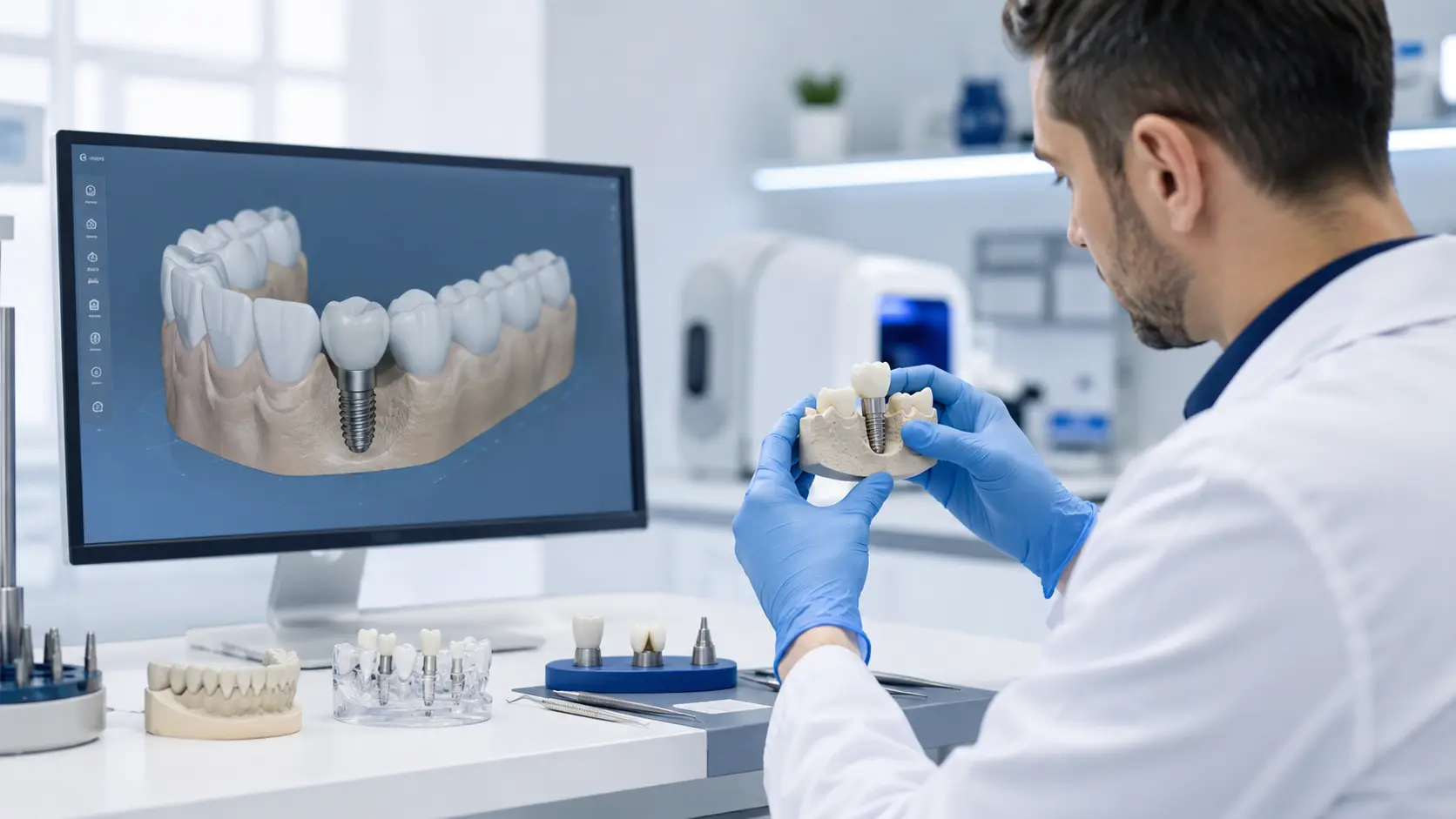
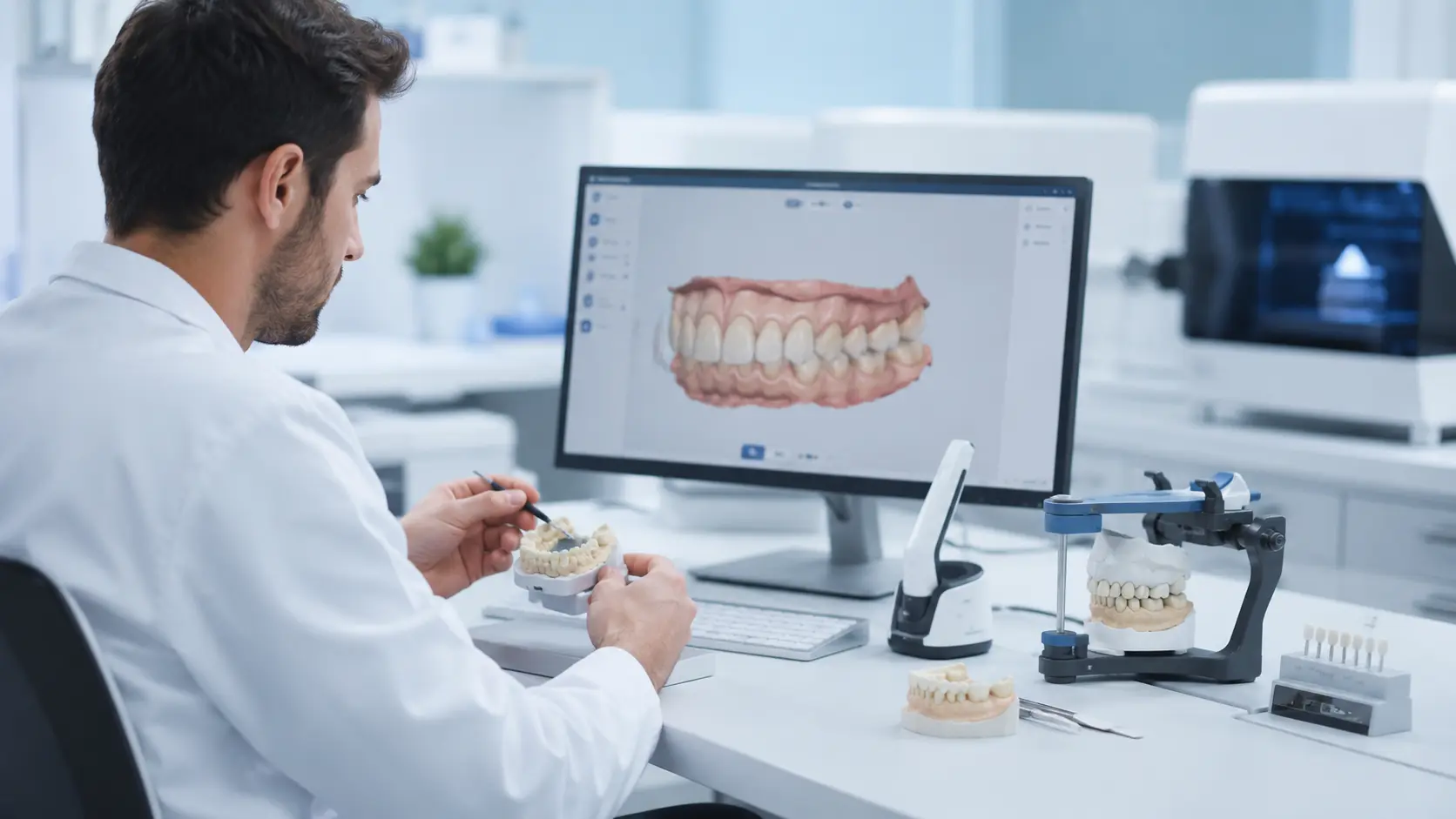
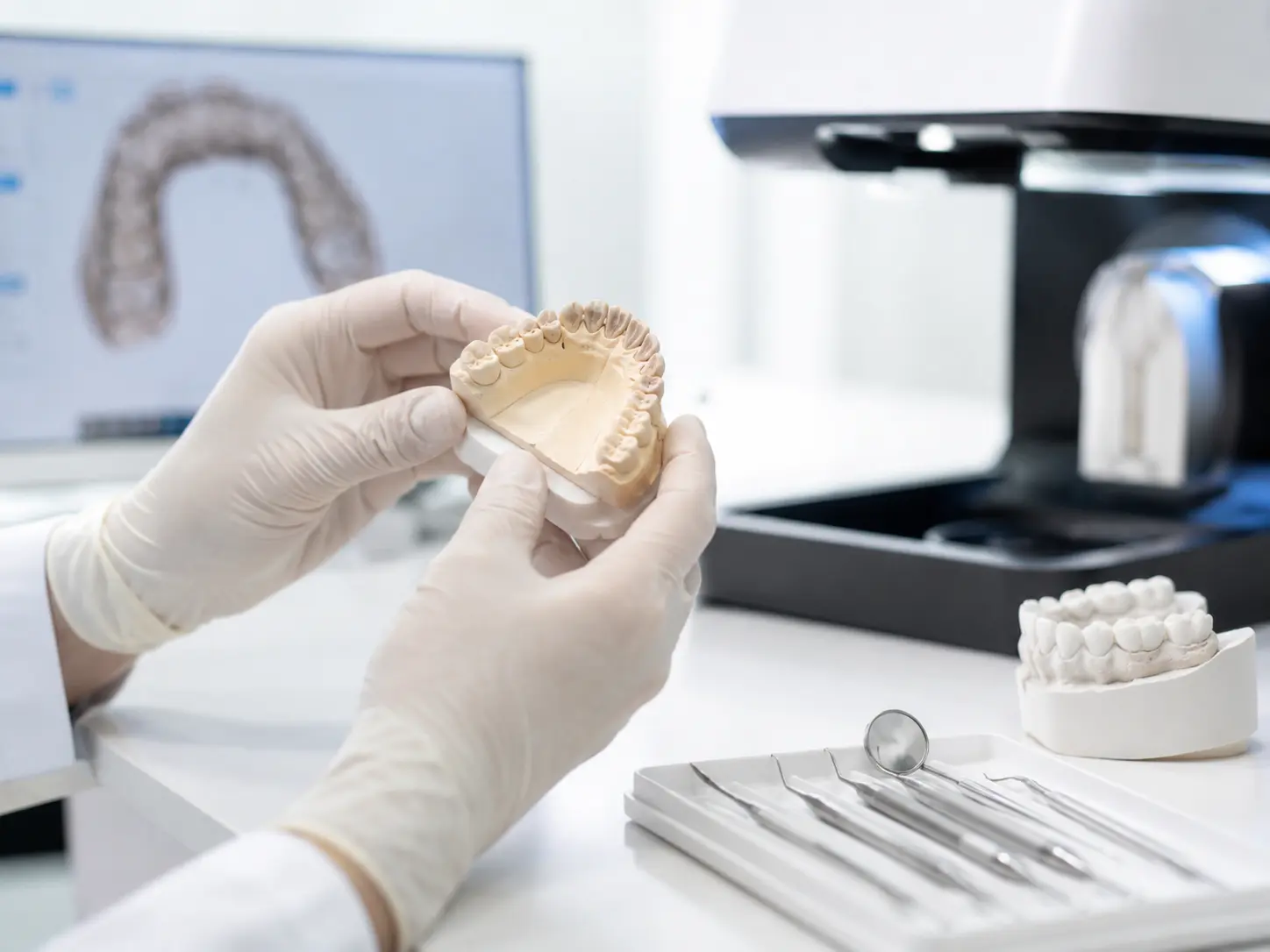
Digital impressions are now part of everyday dentistry for many offices. An intraoral scanner captures digital information from the patient’s mouth and creates a virtual model that can be sent to the lab. That digital file can help the lab review preparation details, margins, occlusion, and case design needs before the restoration is made.
The American Dental Association has discussed digital intraoral scanning as part of modern general practice workflows, including how scanners may support time savings, accuracy discussions, and patient preferences. Dental teams that are considering or already using digital impressions can review the ADA’s resource on integrating digital intraoral scanning into general practice for broader context on how the technology fits into clinical workflow.
From the lab side, digital impressions can support a more direct connection between the office and the laboratory. The case can often be submitted electronically, reviewed without waiting for a physical impression to arrive, and clarified sooner if something is missing. This can make the lab relationship feel more organized when the process is set up properly.
Still, digital impressions should not be treated as a shortcut around clinical detail. A scan can only help if the captured information is usable. If the preparation margin is unclear, the bite record is missing, or the case notes do not explain the dentist’s plan, the lab may still need to pause and ask questions. Technology supports accuracy, but it does not replace good case documentation.
That is why the relationship between the dental practice and the lab remains important. A dependable digital lab partner helps the office understand what information should be included, how files should be submitted, and what details matter most for different case types.
A Complete Scan Helps the Lab Review the Case More Clearly
One of the main advantages of digital impressions is that the lab can receive a detailed digital model of the patient’s teeth and surrounding structures. This can help the technician or design team review the preparation, margins, opposing arch, and bite relationship before moving forward.
For crown and bridge cases, scan quality is especially important. A crown case may depend on a clearly captured margin, proper isolation, enough preparation detail, and accurate bite information. A bridge case may require even more attention because the lab needs to understand the abutment teeth, edentulous space, pontic design, occlusion, and restoration path.
When the scan is clean and complete, the lab can review the case with more confidence. When the scan is incomplete, distorted, or missing key areas, digital submission may not save time. It can create another round of communication between the lab and the practice.
Dental offices can improve digital case submission by developing a consistent scanning routine. The team should make sure the preparation is fully captured, the margin is visible, the bite is included, and the prescription includes enough information for the lab to understand the case. The scanner helps collect the data, but the office’s process determines whether that data is useful.
Utica Dental Lab supports practices using digital impression systems, helping dental offices connect scan-based submissions with the lab workflow needed for restorative case planning.
Digital Files Can Reduce Delays When the Workflow Is Clear
A digital impression can often reach the lab faster than a physical case shipment. This can help the lab begin reviewing the case sooner and contact the office earlier if something needs clarification. For a busy dental practice, that earlier communication can make scheduling easier.
The speed of digital submission is useful, but only when the office and lab have a shared process. The dental team should know where the file goes, how the case is named, how the prescription is completed, how photos are attached, and how the lab will communicate if there is a question.
Without a clear process, digital cases can still become confusing. A file may be submitted without enough notes. The material choice may be missing. The shade may be incomplete. The lab may need to confirm whether the case is a single crown, bridge, implant restoration, or another type of case. These issues can delay production even if the scan itself was sent quickly.
A strong digital impressions dental lab workflow helps prevent that problem by making submission steps easier to repeat. The office team should not have to guess what the lab needs every time a scan is sent. The lab should provide a predictable way to submit digital files and supporting information.
For practices that want a more organized digital case process, UDL Connect can help support case communication and digital workflow management with Utica Dental Lab.
Digital Impressions Still Depend on Good Clinical Details
A common mistake is thinking that a digital scan solves every lab communication issue. It does not. The scan is one part of the case. The lab still needs to understand the dentist’s plan, the restoration type, the desired material, the shade, the bite, and any patient-specific needs.
For example, an anterior crown case may need clear photos, shade tabs, notes about translucency, and information about esthetic expectations. A posterior crown may need details about occlusion, contacts, and strength requirements. A bridge case may need notes about pontic design, tissue contact, and the desired emergence profile. An implant case may need accurate component information and clear restorative instructions.
The lab can work more accurately when the digital file is paired with complete case documentation. A clean scan without a clear prescription may still leave the lab guessing. A strong prescription with a poor scan may still require clarification. The best result usually comes from combining both: a usable scan and clear clinical information.
Dental practices should treat digital impressions as part of a complete communication process. The scanner captures geometry, but the dentist and team provide the clinical context. When those pieces work together, the lab has a stronger foundation for fabrication.
Digital Workflows Can Support Crown and Bridge Planning
Crown and bridge cases are one of the most practical areas where digital impressions can help. A digital workflow may allow the lab to review the preparation and opposing arch earlier, check the case information, and begin planning the restoration with less waiting time.
For single crowns, a clear scan can help the lab evaluate preparation detail and design needs. For bridges, the scan can help the lab understand the relationship between abutments, the edentulous space, and the opposing arch. For cases that involve more esthetic planning, digital files can be combined with photos and detailed notes from the dental office.
Digital tools can also make communication easier when a case needs clarification. Instead of discussing only a physical impression after it arrives, the office and lab may be able to review the digital submission and identify concerns earlier. This can help avoid delays that might otherwise appear later in the production process.
The FDA describes optical impression systems for CAD/CAM dental restorations as devices used in computer-assisted design and manufacturing workflows for dental restorations. Dental professionals who want broader regulatory context can review the FDA’s guidance on optical impression systems for CAD/CAM dental restorations.
Utica Dental Lab supports digital workflows along with crown and bridge dental lab services, giving dental practices a practical path for submitting restorative cases with better communication between the office and the lab.
The Lab Should Know How to Review Digital Cases Before Production
Digital case submission is only valuable if the lab has a good review process. When a digital impression arrives, the lab should be able to evaluate whether the file is usable, whether the prescription is complete, and whether the case needs additional information before moving forward.
This review step can help catch issues early. If a margin is not visible, the lab can contact the office before fabrication begins. If the bite record is unclear, the lab can request clarification. If the material choice does not match the case requirements, the lab can ask the dentist before the restoration is made.
A reliable lab does not simply accept every digital file without review. It pays attention to whether the information supports the final restoration. That kind of review helps protect the dental office’s schedule and the patient’s outcome.
Research discussions around intraoral scanners often focus on accuracy, clinical conditions, scanner technology, software, and case type. A recent NIH/PMC review describes intraoral scanners as important tools in digital dentistry and discusses how hardware and software developments have affected scanning efficiency and accuracy in CAD/CAM workflows. Dental professionals who want a research-based overview can read more about recent advances in intraoral scanners.
For dental practices, the practical point is simple. A digital file should still be reviewed carefully. The lab’s role is to help turn that scan into a usable case workflow, not just receive the file and hope the details are enough.
Digital Impressions Can Improve Communication With the Dental Team
One of the best benefits of digital impressions is improved communication. A digital file gives the lab and practice a shared case reference. If there is a question, both sides can discuss the case with a clearer understanding of what was submitted.
This can be especially helpful when more than one person is involved in the workflow. The dentist may prepare the case, an assistant may capture the scan, the front office may help coordinate the lab submission, and the lab may review the file. A clear digital workflow helps each person understand where the case stands and what information is needed.
Communication also matters when patient scheduling is involved. If the lab identifies a concern early, the office may be able to correct the issue before the delivery appointment is affected. This can reduce stress for the team and help the patient experience feel more organized.
Digital workflows can also make it easier to keep records organized. Case files, notes, and digital submissions can be easier to reference when the office and lab use a consistent process. This does not remove the need for careful documentation, but it can make communication more efficient.
Digital Scans Can Help With Case Consistency Over Time
A dental practice can benefit from using repeatable systems. When scans are captured consistently, prescriptions are completed clearly, and the lab receives information in the same organized way, the case process becomes easier to manage.
Consistency matters because dental offices are busy. If every case is submitted differently, the team may spend too much time fixing small problems. If the digital workflow is predictable, the dentist and staff can focus more attention on diagnosis, treatment, and patient communication.
The lab can also learn the practice’s preferences over time. It may become familiar with how the dentist likes contacts, occlusion, materials, shade documentation, and restoration design handled. The more consistent the office is with submission, the easier it is for the lab to support those preferences.
This is where a strong lab relationship becomes valuable. Digital impressions are not just a technology choice. They are part of a long-term workflow between the practice and the laboratory. When that workflow is clear, both sides can communicate more effectively.
When Traditional Impressions May Still Be Part of the Workflow
Digital impressions are useful, but not every practice or every case is handled the same way. Some offices still use traditional impressions for certain situations. Some practices are transitioning gradually into digital workflows. Others use digital impressions for crowns and bridges but rely on physical records for more complex removable or implant-related planning.
A practical lab should understand that dental practices may work in different ways. The lab should support digital submissions where appropriate and provide clear instructions for traditional case materials when needed. Flexibility can make the lab relationship easier for offices that are not fully digital or that use different workflows depending on case type.
The question is not whether digital impressions should replace every other method in every situation. The better question is whether the dental practice and lab have a clear process for the cases they handle together. Accuracy comes from using the right information, the right workflow, and the right communication for each case.
Dental practices that still send physical materials can review Utica Dental Lab’s shipping and forms resources to understand case submission steps. For offices using digital files, the digital impression workflow can be coordinated with the lab’s preferred submission process.
How Dental Practices Can Get Better Results From Digital Impressions
Dental practices can improve digital lab outcomes by treating the scan as one part of a complete case submission. The office should focus on scan quality, clear margins, complete arches when needed, usable bite records, accurate shade details, and a prescription that explains the restorative goal.
The team should also develop a consistent internal process. The dentist, assistant, and administrative team should understand who captures the scan, who checks the prescription, who attaches photos, and who confirms that the case was submitted correctly. This helps prevent cases from leaving the office with missing information.
It is also helpful to communicate with the lab before sending unusual or complex cases. If the case involves implants, esthetic expectations, multiple units, or special material considerations, early discussion can prevent confusion later. A lab that supports digital workflows should be willing to help the office understand what information is needed.
Strong digital results come from good habits. A quality scanner helps, but it works best when the dental team uses it within a disciplined workflow. The lab relationship then becomes easier because both sides know what to expect.
Why Dental Practices in Utica and New York May Benefit From Digital Lab Support
Dental practices in Utica, Syracuse, and surrounding New York communities often serve patients with a wide range of restorative needs. Some patients need a single crown. Others may need bridges, implant restorations, dentures, partials, repairs, nightguards, or appliance support. A lab that understands both digital workflows and traditional case needs can help practices manage that variety more efficiently.
Digital lab support is especially useful when the practice wants a more organized way to submit and track cases. Instead of relying only on physical materials and phone calls, the office can use digital tools to communicate case information more clearly. This can be helpful for offices that want to reduce friction in their restorative workflow.
Utica Dental Lab supports dental practices with digital impression systems, crown and bridge services, UDL Connect, dentures, implant-related restorations, repairs, and other dental laboratory services. For offices looking for a practical digital impressions dental lab partner, the goal is a workflow that supports accuracy, communication, and predictable case handling.
Frequently Asked Questions
What are digital impressions in dentistry?
Digital impressions are digital records captured with an intraoral scanner. The scanner creates a virtual model of the teeth and surrounding structures, which can be sent to a dental lab for review, design, and fabrication planning.
How do digital impressions help a dental lab?
Digital impressions can help a dental lab review case details earlier, evaluate preparation and margin information, communicate with the dental office sooner, and support crown and bridge or restorative workflows through digital case submission.
Do digital impressions automatically make cases more accurate?
Digital impressions can support case accuracy, but they do not replace proper technique or complete documentation. The scan must be clear, the prescription must be complete, and the lab must have a reliable process for reviewing the digital file.
What should a dental office include with a digital lab case?
A dental office should include the digital scan, complete prescription, bite information, shade details, material preference, photos when helpful, and any notes about esthetics, contacts, occlusion, implant components, or case-specific expectations.
Can digital impressions be used for crown and bridge cases?
Yes, digital impressions are commonly used for crown and bridge workflows when the scan captures the preparation, margins, opposing arch, and bite information clearly. The lab still needs complete case notes to support the final restoration.
Does Utica Dental Lab accept digital impressions?
Utica Dental Lab supports digital impression systems and UDL Connect resources for dental practices that want a clearer digital case submission and lab communication workflow.
Conclusion
Digital impressions can help dental practices improve lab case accuracy when they are used as part of a complete workflow. A clear scan, complete prescription, accurate bite record, shade documentation, and strong communication with the lab all work together to support better case planning.
For dental offices, the most important point is that digital dentistry is not only about owning a scanner. It is about creating a reliable connection between the patient record, the office team, the dentist’s clinical plan, and the dental lab. When those pieces are aligned, digital impressions can help make case submission more organized and lab communication more efficient.
Utica Dental Lab works with dental practices that need digital impression support, crown and bridge services, UDL Connect workflow assistance, and broader dental laboratory services. To discuss digital case submission or start working with the lab, visit Utica Dental Lab’s contact page or call 866-733-3152.