When Are Custom Abutments and Zirconia Restorations Recommended?
Custom abutments and zirconia restorations are often recommended when a dental case needs more personalized implant support, better emergence profile planning, improved esthetics, or a restoration material that fits the functional and visual demands of the treatment plan.
For many dental practices, implant and restorative cases are becoming more detailed. A patient may need a single implant crown, an anterior restoration with high esthetic expectations, a posterior restoration that must handle stronger biting forces, or a larger treatment plan that connects implants, crowns, bridges, overdentures, or full-arch restorations. In those situations, the dentist and dental lab need to work from a clear plan.
Custom abutments and zirconia restorations are not chosen simply because they sound advanced. They are chosen when the case requires a specific combination of fit, function, esthetics, material performance, and restorative design. The decision should come from the dentist’s clinical judgment, the patient’s needs, the implant position, the tissue profile, the bite, and the type of final restoration being planned.
This guide explains when dental practices may consider custom abutments and zirconia restorations, how they fit into lab communication, and why the right dental laboratory partner can make these cases easier to plan.
Key Takeaway for Dental Practices
Custom abutments and zirconia restorations are most useful when a standard restorative option may not give the dentist the control needed for the case. A custom abutment can help support implant crown design, tissue contour, restorative space, and emergence profile. A zirconia restoration may be recommended when the case needs a balance of strength, esthetics, and modern digital design support.
The best results usually come from planning these cases carefully before fabrication begins. The dental office should send accurate records, implant information, shade details, bite records, digital files when available, and clear instructions. The lab should help review the case, ask questions when details are missing, and support the dentist’s restorative plan with practical technical input.
Why These Restorations Require More Planning Than Routine Cases
Some restorative cases are straightforward. A single posterior crown with a clear preparation, good scan, simple shade, and uncomplicated bite may move through the lab with fewer questions. Implant and zirconia cases can be different because several factors have to work together at the same time.
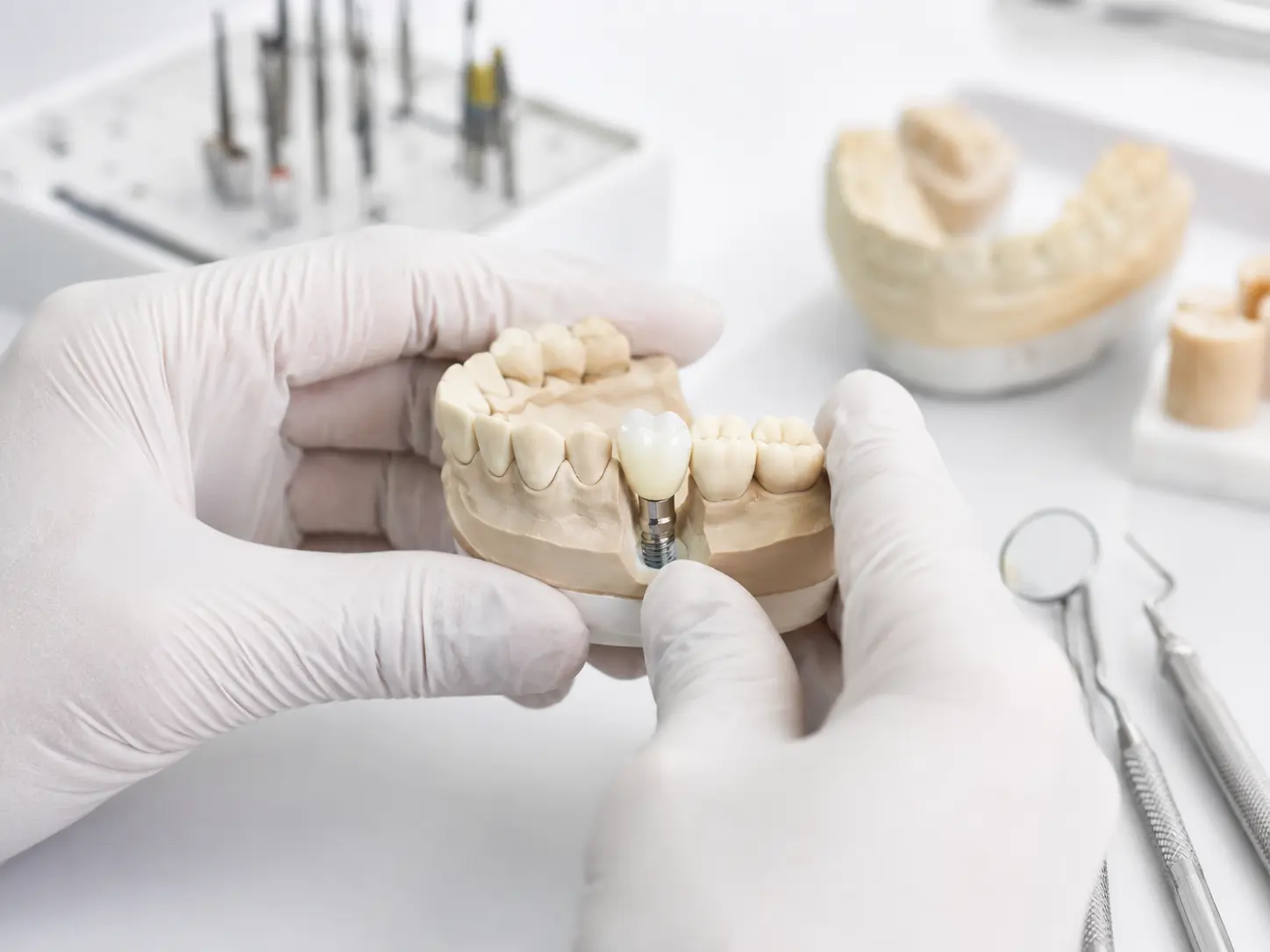
For implant cases, the restoration is affected by the implant position, the surrounding tissue, the restorative space, the selected abutment, the patient’s occlusion, and the long-term function of the final crown or prosthesis. If one of those details is overlooked, the case can become harder to manage at delivery.
For zirconia restorations, the dentist and lab need to think about location, material type, esthetic expectations, reduction, shade, opposing dentition, occlusal forces, and whether the restoration is part of a single-unit, bridge, implant, or full-arch case. The American Dental Association’s overview of materials for indirect restorations gives dental professionals broader context on how different indirect restorative materials are considered in clinical dentistry.
The lab’s role is not to make the clinical decision for the dentist. The lab’s role is to help the dentist translate that decision into a restoration that can be designed, fabricated, and delivered with as much clarity as possible. That requires good records, accurate case communication, and a lab process that supports implant and restorative planning.
Utica Dental Lab supports dental offices with custom abutments and zirconia restorations, helping practices manage cases that need more than a generic restorative approach.
When a Custom Abutment May Be the Better Choice
A custom abutment may be recommended when the implant position, tissue shape, esthetic zone, restorative space, or crown design requires more individualized support than a stock component can provide. While stock abutments can be appropriate in certain situations, they may not always match the needs of a specific implant case.
One common reason dentists consider a custom abutment is emergence profile. The way the restoration transitions from the implant through the soft tissue can affect esthetics, cleansability, and the appearance of the final crown. In anterior cases, this can be especially important because the patient and dentist may have high expectations for a natural-looking result.
Another reason is implant angulation or position. Implants are not always placed in an ideal restorative position. Bone anatomy, surgical limitations, spacing, adjacent teeth, or treatment history can affect where the implant sits. A custom abutment may help the restorative team manage the case more appropriately by supporting the planned crown design.
Custom abutments can also be useful when the case requires better control over margins and contours. A well-planned abutment can help the dentist and lab create a restoration that fits the clinical situation more closely. This does not remove the need for proper hygiene access, tissue management, and clinical evaluation, but it can give the restorative plan a stronger foundation.
Because abutments are part of implant dentistry, case planning should be handled carefully. The FDA provides patient-facing information on what people should know about dental implants, and also provides professional guidance related to endosseous dental implants and abutments. These resources are useful as external references for the broader implant category, while the dentist remains responsible for patient-specific treatment decisions.
How Zirconia Restorations Fit Into Modern Dental Cases
Zirconia restorations are often used when a case needs strength, esthetics, and compatibility with modern digital design and manufacturing workflows. Dentists may consider zirconia for crowns, bridges, implant restorations, and some larger restorative cases depending on the patient’s needs and the clinical situation.
Zirconia is not one single universal solution for every case. Different zirconia materials may have different esthetic and strength characteristics. A posterior case may prioritize durability, while an anterior case may require more attention to translucency and natural appearance. A bridge may need careful planning around span, occlusal forces, and connector design. An implant restoration may involve additional planning around abutment selection and restorative space.
Research discussions around zirconia in dentistry often focus on how zirconia materials have changed over time, including strength, translucency, and clinical use. Dental professionals who want a research-based overview can review this NIH/PMC article on the current classification of zirconia biomaterials in dentistry.
For a dental practice, the practical question is not simply whether zirconia is strong. The better question is whether zirconia fits the case goal. The dentist should consider the patient’s bite, esthetic expectations, restoration location, preparation design, implant involvement, and long-term maintenance needs. The lab can support that discussion by helping the office understand what information is needed for fabrication.
Utica Dental Lab’s experience with zirconia restorations can support dental practices that want a clearer workflow for crowns, bridges, implant cases, and related restorative treatment plans.
Esthetic Cases May Need More Individualized Support
Custom abutments and zirconia restorations are often considered when esthetics matter. This is especially true in the anterior region, where the final restoration may be visible when the patient smiles or speaks. In these cases, the dentist and lab need to think beyond basic fit and function.
The soft tissue profile, implant position, emergence contour, shade, translucency, and adjacent teeth all influence the final appearance. If a standard component does not support the desired tissue contour or crown shape, the case may benefit from a custom abutment. If the restoration needs a combination of strength and esthetic control, zirconia may be part of the discussion.
Shade communication becomes especially important in visible cases. The dental office should provide clear photographs when appropriate, shade tabs in the photo, notes about the patient’s expectations, and any relevant information about stump shade or adjacent restorations. The lab can only plan accurately when it understands the esthetic target.
Esthetic cases are also where communication can prevent disappointment. If the dentist, patient, and lab are not aligned on expectations, the final restoration may be technically acceptable but visually unsatisfying. Clear planning helps the dental team reduce that risk before the case reaches delivery.
A dental lab that supports custom abutments and zirconia restorations should be comfortable discussing these details with the practice. That communication helps the office plan cases more confidently and helps the lab fabricate the restoration with fewer assumptions.
Posterior Cases May Need Strength and Functional Planning
Not every custom abutment or zirconia case is about front-tooth esthetics. Posterior cases often place more emphasis on function, strength, occlusion, and space management. Patients may have stronger biting forces in molar areas, limited restorative space, or bite patterns that require careful planning.
In a posterior implant crown case, the dentist and lab may need to consider the implant position, abutment design, crown contour, occlusal contacts, screw access, and cleansability. If the case is restored without enough planning, the final crown may be harder to maintain or may require more adjustment at delivery.
Zirconia may be considered in posterior cases because of its strength characteristics, but the restoration still needs proper design. Material alone does not solve problems caused by poor records, inadequate space, unclear bite, or incomplete communication. The dentist and lab should plan the case with the patient’s functional needs in mind.
For bridge cases, planning becomes even more important. The lab needs to understand the span, occlusion, preparation design, and esthetic requirements. If the case involves implants or mixed support, communication becomes even more critical.
Dental practices that routinely handle crowns and bridges can connect these restorative decisions with Utica Dental Lab’s crown and bridge services, especially when zirconia is part of the treatment plan.
Implant Restorations Often Need Lab and Office Alignment
Implant restorations are not only about the crown. The abutment, components, tissue profile, restorative design, and occlusion all affect the final result. That is why dental practices should work with a lab that understands implant-related workflows and communicates clearly before the case moves into fabrication.
A custom abutment may be recommended when the dentist needs more control over the final restoration. The lab may need implant system information, component details, scan body data, tissue information, digital files, bite records, photos, and notes about the planned restoration. If any of these details are missing, the case may be delayed or require additional clarification.
Implant cases can also connect to removable prosthetics or larger restorative plans. A patient may need an implant crown, implant overdenture, or full-arch hybrid case. The more complex the treatment plan becomes, the more important it is for the dental office and lab to communicate early.
Utica Dental Lab supports related implant services, including implant overdentures and All-on-X hybrids. For dental practices, that broader support can be useful when patient treatment plans involve more than one type of implant restoration.
Good implant lab communication should feel organized. The office should know what information to provide, and the lab should communicate when details need to be confirmed. This helps protect the case timeline and gives the dentist more confidence in the restorative workflow.
Digital Impressions Can Support Better Case Planning
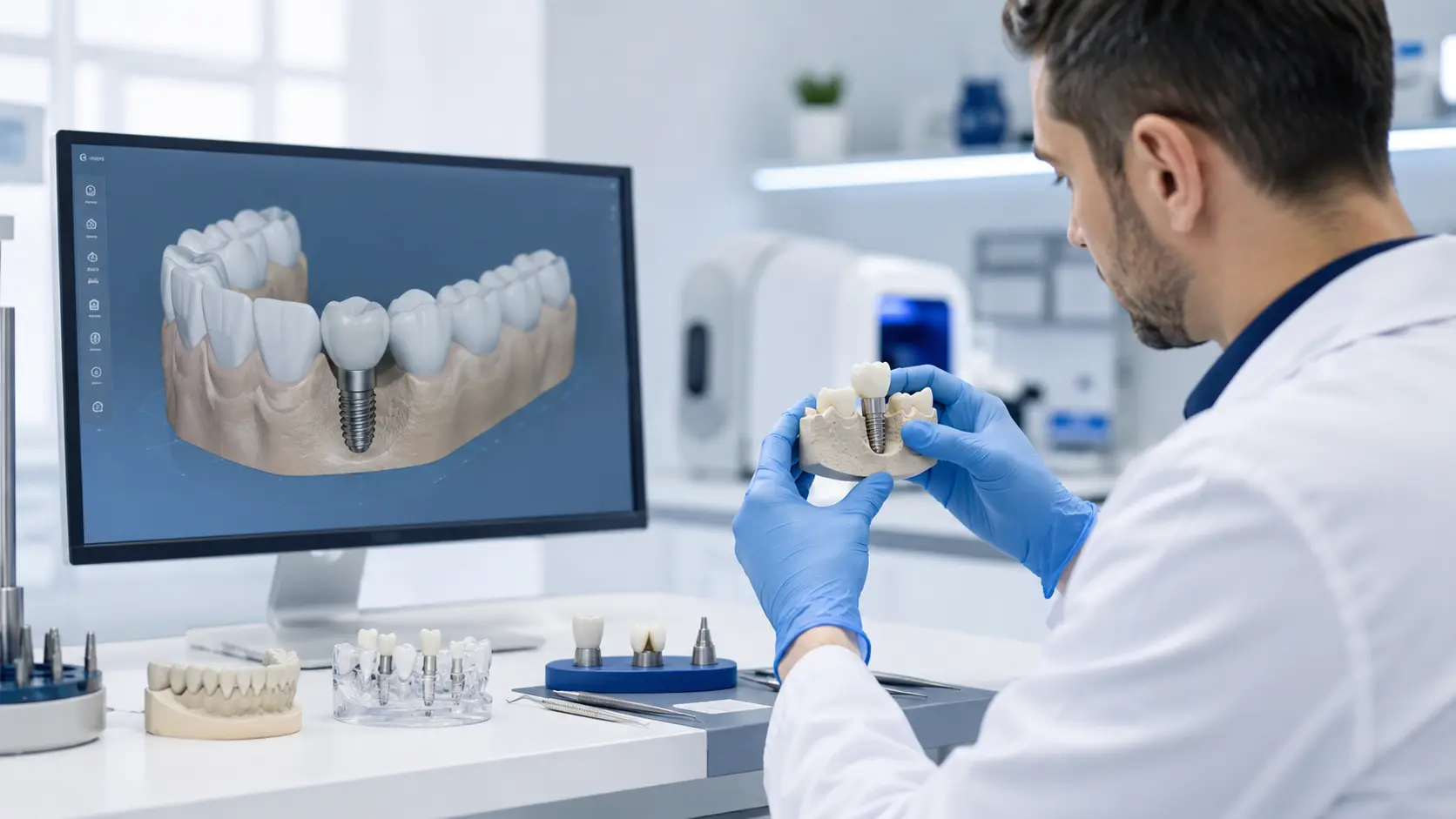
Digital impressions can be especially helpful for custom abutments and zirconia restorations because these cases often depend on accurate records and efficient communication. A digital scan can give the lab a clear starting point for reviewing the preparation, implant scan body, opposing arch, bite, and surrounding structures.
However, digital impressions must still be complete and usable. A scan with missing areas, unclear bite information, or incomplete case notes can slow the workflow down. The dental office should make sure the scan captures the details needed for the planned restoration, and the lab should review the file before production begins.
Digital workflows can also help when a case requires discussion. The office and lab may be able to review digital files, communicate about the restoration plan, and identify missing information earlier. This can be useful for custom abutments, zirconia crowns, implant restorations, and more involved restorative cases.
Dental practices using scan-based submissions can review Utica Dental Lab’s digital impression systems to understand how digital workflows can connect with lab case planning.
The strongest digital results come from combining the technology with good communication. A scanner can capture information, but the dentist and team still need to provide the clinical context. The lab then uses that information to support design and fabrication.
What the Lab Needs Before Fabrication Begins
Custom abutment and zirconia cases should not be rushed into fabrication without enough information. The lab needs a clear understanding of the dentist’s plan, the patient’s clinical situation, and the final restoration goals. The more complete the submission is, the easier it is for the lab to support the case.
For implant cases, the office should provide accurate implant system details, scan body information when using a digital workflow, soft tissue information when relevant, bite records, shade details, and restoration preferences. For zirconia cases, the lab should understand whether the case is anterior or posterior, single-unit or bridge, tooth-supported or implant-supported, and whether esthetics or function is the main priority.
Photos can be helpful when shade, tissue contour, or esthetic expectations matter. Written notes can help clarify the dentist’s preferences for contacts, occlusion, contours, margin location, screw access, and other case-specific details. If the case is complex, early communication with the lab can prevent avoidable problems later.
The dental office should also confirm turnaround expectations. Custom abutments and zirconia restorations may require more planning than routine cases. Realistic scheduling protects both the practice and the patient from unnecessary stress.
A dependable lab should make this process easier by explaining what information is needed and how cases should be submitted. Dental offices can reach Utica Dental Lab through the contact page when a case needs additional discussion before submission.
How These Restorations Support a More Predictable Workflow
Predictability matters in restorative dentistry. Dental practices need cases to move from preparation or scan to lab review, fabrication, delivery, and patient follow-up with as few avoidable surprises as possible. Custom abutments and zirconia restorations can support that goal when they are planned correctly.
A custom abutment can help the restorative team manage implant position, tissue contour, and crown design more intentionally. A zirconia restoration can support cases where the dentist wants a modern restorative material with practical strength and esthetic potential. Together, these options can help practices handle implant and restorative cases with more confidence.
The workflow is strongest when the dentist and lab communicate before problems appear. If the lab sees a concern with the scan, implant information, restorative space, or material choice, early communication can help the office adjust the plan. If the dentist has a specific esthetic or functional goal, clear notes can help the lab understand the expectation before design begins.
This kind of collaboration is especially valuable for practices that want to build a long-term lab relationship. Over time, the lab learns the dentist’s preferences, and the office learns what information the lab needs. That shared understanding can make complex cases feel more manageable.
Why Dental Practices in Utica and New York May Need This Support
Dental practices in Utica, Syracuse, and surrounding New York communities serve patients with many different restorative needs. Some patients need a straightforward crown. Others need implant restorations, bridges, dentures, overdentures, or larger treatment plans that require more coordination between the office and the lab.
For practices that handle implant and restorative cases regularly, having a lab partner that supports custom abutments and zirconia restorations can be helpful. The value is not only in the finished restoration. It is in the ability to discuss the case, submit accurate records, review digital files, choose appropriate materials, and manage the workflow with more confidence.
Utica Dental Lab has served as a dental laboratory since 1954 and supports dental practices with crown and bridge work, digital impression systems, dentures, implant overdentures, All-on-X hybrids, custom abutments, zirconia restorations, repairs, and other lab services. For offices looking for practical support with custom abutments and zirconia restorations, the goal is a lab relationship that helps make case planning clearer.
Frequently Asked Questions
What are custom abutments used for?
Custom abutments are used in implant dentistry when the case requires more individualized support for the final restoration. They may help with emergence profile, tissue contour, implant angulation, restorative space, margin placement, or crown design.
When are zirconia restorations recommended?
Zirconia restorations may be recommended when a case needs a balance of strength, esthetics, and modern digital design support. Dentists may consider zirconia for crowns, bridges, implant restorations, and certain larger restorative cases depending on the patient’s needs.
Are custom abutments always better than stock abutments?
No. Custom abutments are not automatically better for every case. The dentist should decide based on implant position, tissue profile, esthetic needs, restorative space, and the final treatment plan. Some cases may be appropriate for stock components, while others may benefit from a custom design.
Can zirconia be used for implant restorations?
Yes, zirconia may be used in certain implant restoration workflows depending on the case design, location, esthetic goals, and clinical judgment of the dentist. The lab should receive complete case information before fabrication begins.
What should dentists send to the lab for these cases?
Dentists should send complete implant information, accurate scans or impressions, bite records, shade details, photographs when helpful, material preferences, and clear notes about the planned restoration. Complex cases may benefit from early discussion with the lab.
Does Utica Dental Lab support custom abutments and zirconia restorations?
Yes, Utica Dental Lab supports custom abutments and zirconia restorations along with related services such as crown and bridge work, implant overdentures, All-on-X hybrids, and digital impression workflows.
Conclusion
Custom abutments and zirconia restorations are recommended when a dental case needs more thoughtful restorative planning, stronger communication between the office and lab, and a restoration design that fits the patient’s clinical and esthetic needs. These options can be especially useful for implant cases, esthetic cases, posterior restorations, bridges, and treatment plans that require more than a routine approach.
The strongest results come from clear planning. The dentist should evaluate the patient’s needs, implant position, tissue profile, bite, esthetic goals, and restoration type. The lab should support the case with practical technical knowledge, a clear submission process, and communication before fabrication begins.
Utica Dental Lab works with dental practices that need custom abutments and zirconia restorations, crown and bridge support, digital impression workflows, implant overdenture cases, All-on-X hybrid support, and other dental laboratory services. To discuss a case or learn more about lab support, visit Utica Dental Lab’s contact page or call 866-733-3152.