How Do Dentists Choose the Right Dental Lab for Crown and Bridge Cases?
Dental lab for crown and bridge cases is an important choice for dental practices that want dependable restorations, clear communication, and a smoother process from case submission to final delivery.
For many dental offices, crown and bridge work is part of the regular patient schedule. A practice may send single crowns, multi-unit bridges, anterior esthetic cases, posterior restorations, implant-supported crowns, or complex restorative cases that require extra coordination. Each case affects chair time, patient expectations, scheduling, and the relationship between the dental team and the lab.
Because of that, choosing a dental lab should not be based only on price or turnaround time. A fast case is helpful only when the restoration also supports the dentist’s clinical plan, fits the patient’s needs, and arrives with clear communication behind it. The better question is whether the lab can support the full case process with the kind of consistency a dental practice needs every week.
A reliable crown and bridge lab helps the dental team avoid unnecessary confusion. It should make case submission easier, support digital or traditional workflows, understand material options, communicate when details are missing, and help the practice plan realistic delivery appointments. When a lab does those things well, the relationship feels less like outsourcing and more like a professional partnership.
Key Takeaway for Dental Practices
The right dental lab for crown and bridge cases should offer more than fabrication. A dependable lab should support the dentist with practical case communication, clear submission instructions, material knowledge, shade planning, digital impression support, realistic turnaround expectations, and help with more involved restorative cases when needed.
For dentists, office managers, and treatment teams, the goal is not simply to find a lab that can make a crown. The goal is to find a lab that can help the office manage restorative cases with more confidence and fewer avoidable delays.
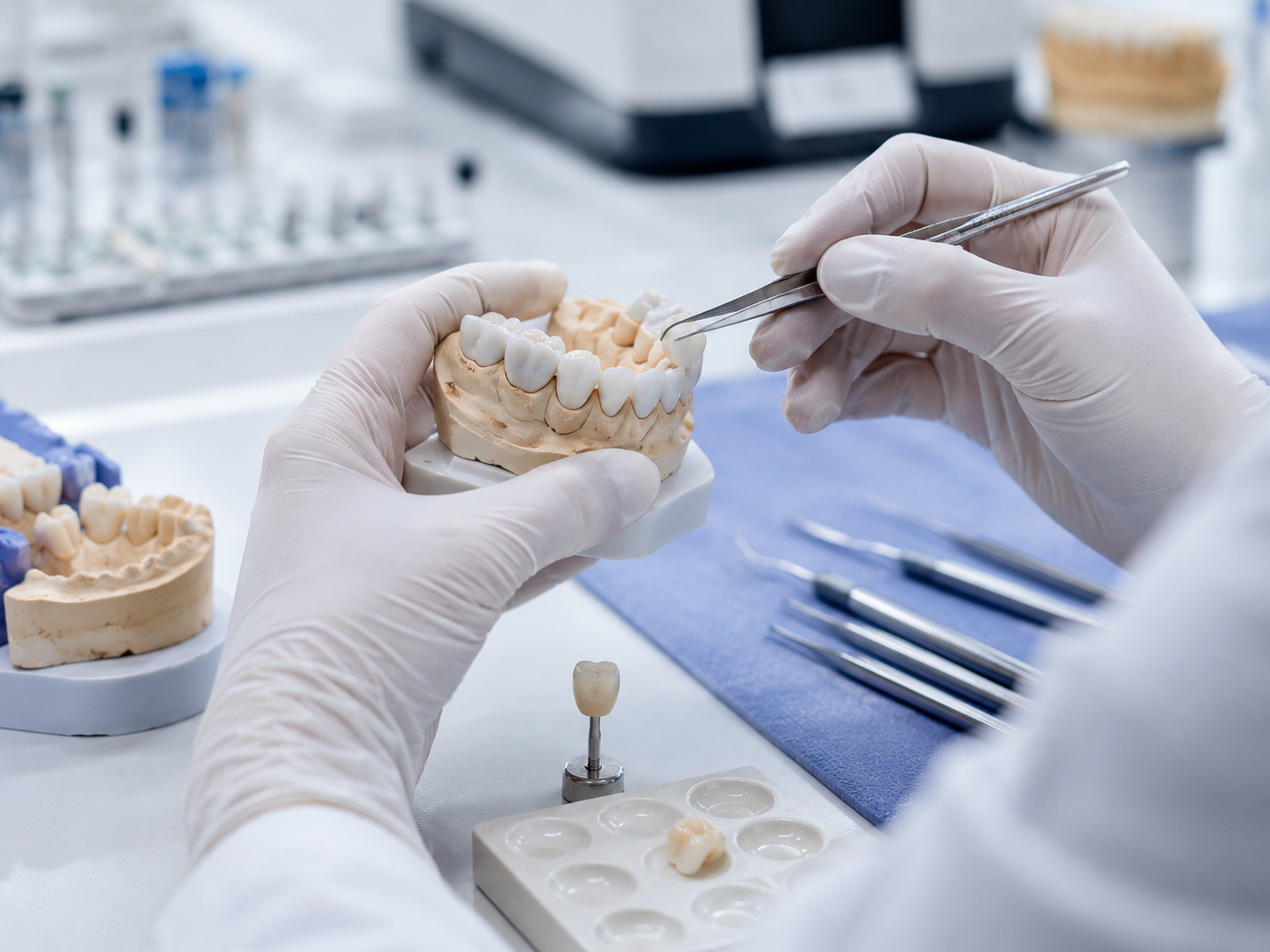
Why the Lab Relationship Matters in Crown and Bridge Dentistry
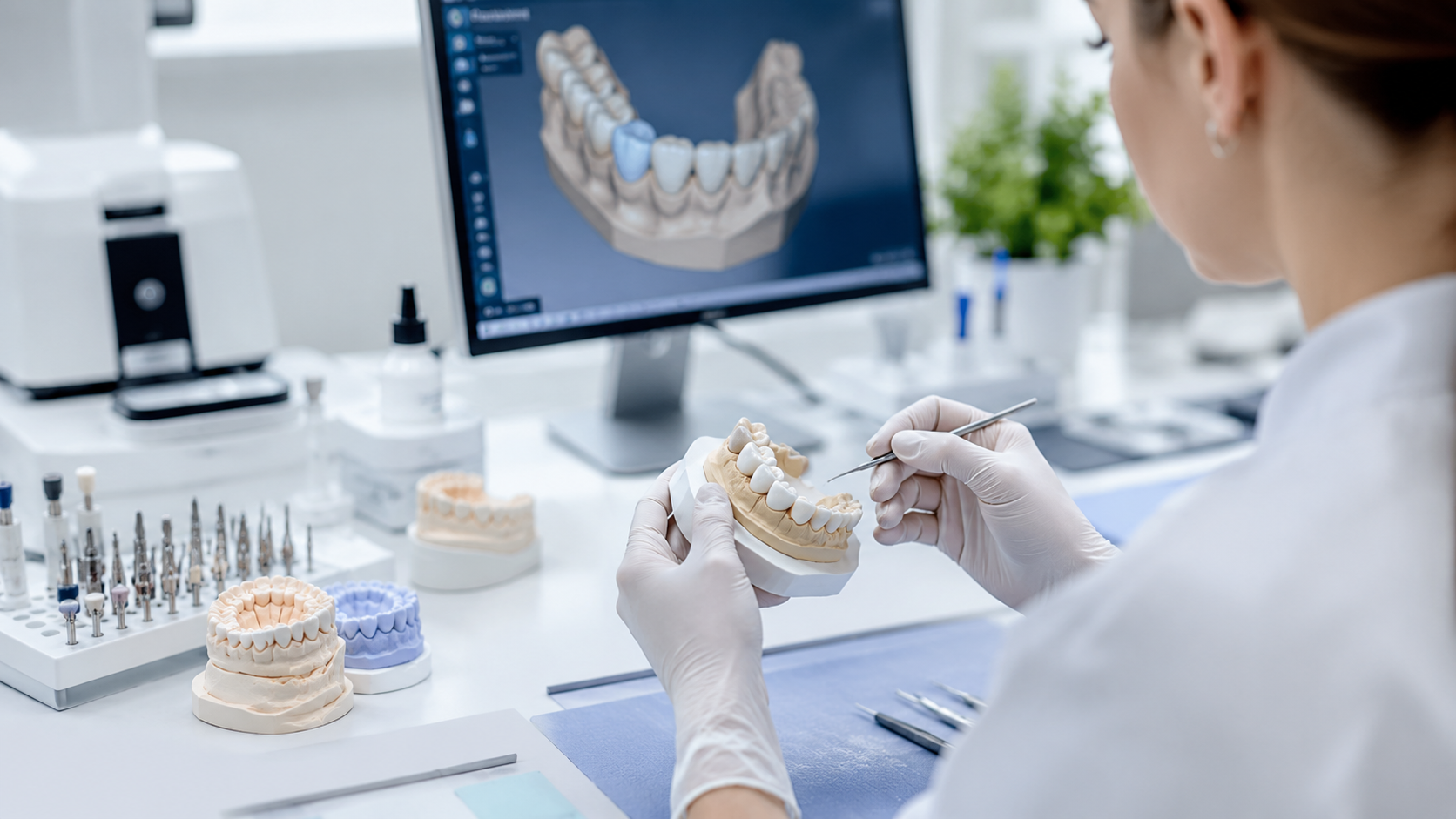
Crown and bridge cases depend on several connected steps. The dentist prepares the tooth or teeth, captures the impression or scan, records the bite, selects the shade, documents material preferences, and sends the case details to the lab. The lab then reviews that information and fabricates a restoration that must meet clinical, functional, and esthetic expectations.
When the dental office and lab are aligned, the process feels organized. The practice knows what information to include, the lab knows how the dentist prefers cases to be handled, and questions are addressed early. This helps the dental team schedule with more confidence and gives the patient a better experience from preparation to delivery.
When the relationship is not aligned, small details can turn into larger problems. A case may be delayed because the prescription is incomplete. The lab may need more information about the margin, bite, shade, pontic design, or material selection. An anterior crown may require better photography. A bridge case may need clarification before fabrication can move forward. These issues can affect appointment flow and create stress for both the dental team and the patient.
A good dental lab for crown and bridge cases helps reduce that uncertainty. It gives the practice a clear process, asks questions before problems become bigger, and supports the dentist’s restorative goals without making the workflow harder.
Clear Communication Should Come Before Fabrication
Communication is one of the strongest signs of a dependable lab partner. Crown and bridge cases often require details about margins, occlusion, contacts, pontic design, shade, material preference, implant components, and patient-specific expectations. If the lab is hard to reach or does not have a clear process for questions, the dental office may spend too much time correcting preventable issues.
A dental practice should look for a lab that makes communication practical. The lab should provide clear case submission instructions, helpful forms, and a direct way to discuss details when a case needs extra attention. If something is missing or unclear, the lab should communicate early enough to protect the case timeline.
For example, an anterior crown case may require more than a basic shade selection. The dentist may need to send patient photos, shade tab images, notes about translucency, and information about stump shade when appropriate. A posterior bridge may require careful notes about occlusion, tissue contact, pontic design, and strength expectations. When these details are understood early, the lab can work with fewer assumptions.
Dental offices can also make the relationship stronger by creating consistent case notes. A complete prescription, accurate impression or scan, bite record, shade information, and restoration preference can help the lab work more efficiently. The best lab relationships usually happen when both sides understand what information is needed and how that information should be shared.
Utica Dental Lab supports dental practices through its crown and bridge dental lab services, helping offices manage crown and bridge cases with a clearer workflow and practical case communication.
Digital Impression Support Can Make Case Submission Smoother
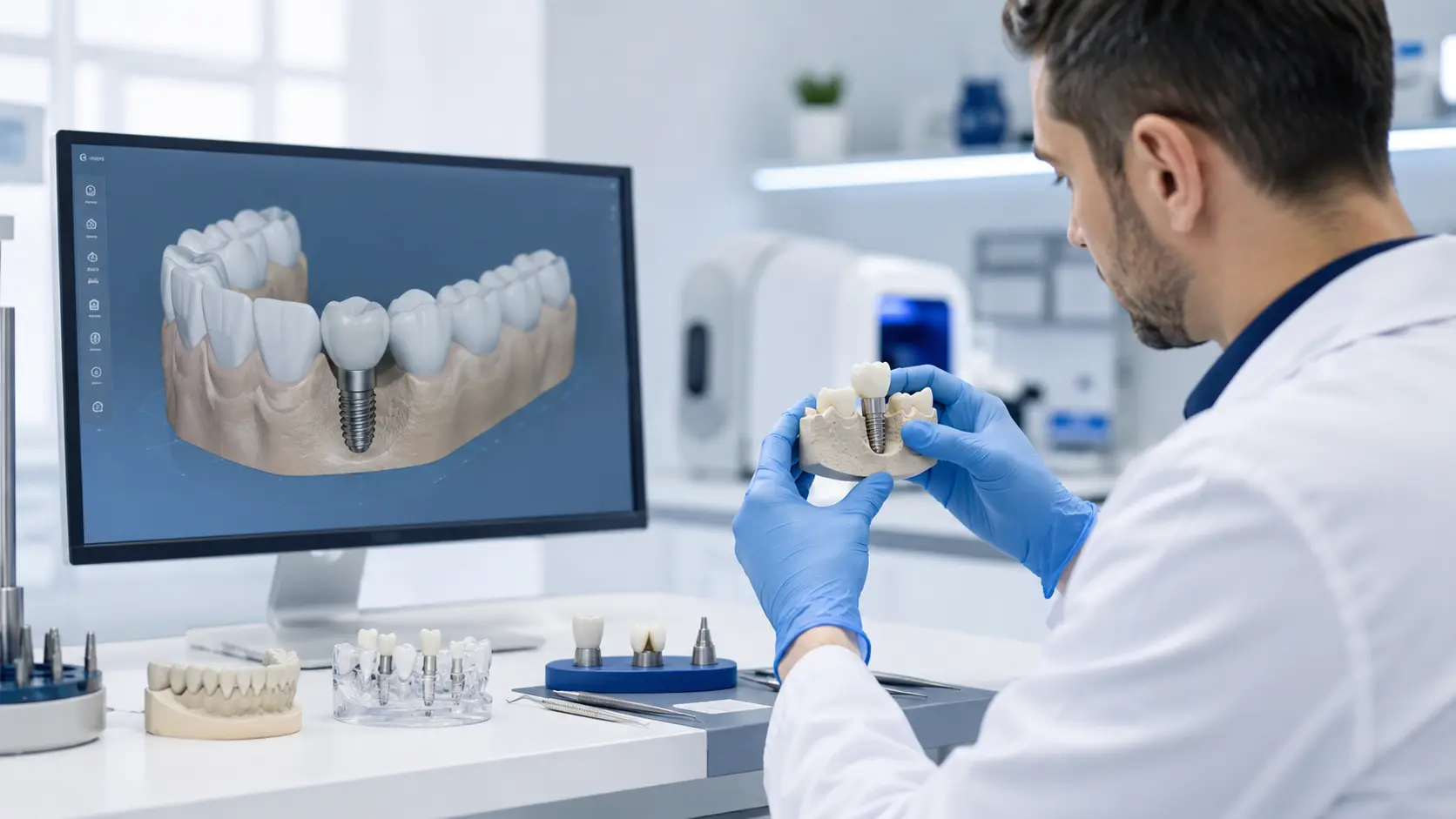
Digital workflows are now a major part of modern restorative dentistry. Many dental practices use intraoral scanners to submit cases faster and reduce the handling steps connected with traditional impressions. For those practices, the lab needs to be able to receive, review, and manage digital files properly.
Digital impressions can help streamline the submission process, but the technology alone does not guarantee a smooth case. A scan still needs to be complete. Margins must be clear. Bite information must be usable. The lab still needs a reliable process for reviewing files and communicating when something needs attention.
Before choosing a lab, dental teams should ask whether the lab accepts the scanner system the office uses, how files should be submitted, and what happens if a scan needs clarification. These questions matter because a digital workflow is only efficient when the office and lab understand the same process.
Some practices still use traditional impressions for certain cases, while others use a mix of digital and physical workflows. A good lab should be flexible enough to support the way the practice actually works. The goal is not to force every office into one method. The goal is to help the dental team submit accurate cases in a way that supports the final restoration.
Practices that want scan-based case support can review Utica Dental Lab’s digital impression systems and UDL Connect resources for digital workflow and case communication support.
Material Knowledge Helps Dentists Plan Better Restorations
Choosing a dental lab for crown and bridge cases also means evaluating the lab’s understanding of materials. Not every restoration has the same functional or esthetic requirements. A posterior crown may need strength for heavy chewing forces. An anterior crown may require more attention to shade, translucency, and natural appearance. A bridge may need careful material selection based on span, preparation design, bite, and case location.
A dependable lab should be able to support common restorative options and help the dental office think through material considerations. The lab should not replace the dentist’s clinical judgment, but it can provide technical guidance when a case requires comparison between options.
Material conversations may involve zirconia, porcelain options, implant-supported restorations, custom abutments, and other case-specific needs. If a practice frequently handles esthetic cases, posterior restorations, bridges, or implant-related work, the lab’s material knowledge becomes an important part of the relationship.
Material selection also affects the patient experience. A restoration should be planned with durability, esthetics, function, and patient expectations in mind. When the dental office and lab communicate clearly about material needs, the final case is more likely to match the clinical purpose.
Utica Dental Lab supports crown and bridge work along with related services such as custom abutments and zirconia restorations, which can be helpful for practices managing implant restorations and more advanced restorative cases.
Fit and Shade Depend on Details From Both the Office and the Lab
Fit and shade are two of the most noticeable quality factors in crown and bridge cases. A restoration needs to seat properly, function within the patient’s bite, and meet the esthetic expectations of the treatment plan. Many of those details begin in the dental chair, but the lab’s review and fabrication process also plays a major role.
For fit, the quality of the preparation, impression, scan, and bite record all matter. If a margin is unclear or a scan is incomplete, the lab should communicate before the case moves too far forward. Early clarification can help the office avoid a more frustrating issue at the seat appointment.
For shade, the level of documentation should match the complexity of the case. A posterior crown may only need standard shade information, while a visible anterior restoration may require more detail. Helpful details may include clear photographs, shade tabs in the image, notes about translucency, and stump shade information when appropriate.
Esthetic planning becomes even more important when a restoration is visible in the smile line. The patient may have expectations about brightness, shape, translucency, or matching adjacent teeth. When the lab receives better information, it can support the dentist’s plan with fewer assumptions.
For crown and bridge cases, dental practices should send complete case notes, accurate impressions or scans, bite records, clear shade information, restoration preferences, and photos when helpful. The lab can provide stronger support when the office gives complete clinical and esthetic details from the beginning.
Turnaround Time Should Be Clear and Realistic
Turnaround time matters for every dental practice, but it should be discussed realistically. A fast lab is helpful only when communication, fit, quality control, and delivery consistency remain strong. If the office schedules a patient for delivery before the case timeline is clear, the team may end up managing unnecessary stress.
Before sending regular cases, the dental office should understand how long different case types usually take. A single crown, bridge, implant-supported restoration, or more complex restorative case may not follow the same timeline. The office should also understand how shipping works, how cases are submitted, and what details are needed to avoid delays.
Rush cases should be discussed carefully. Some situations need faster support, but not every case should be rushed if quality or planning may suffer. A dependable lab should be honest about what is realistic and what details could affect timing.
For practices outside the immediate area, shipping is part of the case workflow. Utica Dental Lab serves dental practices in Utica, Syracuse, New York, and offers shipping across the United States. Dental teams can review shipping and forms information to understand the submission process before sending cases.
A good lab should provide clear expectations instead of vague promises. This helps the office schedule patient delivery appointments with more confidence and reduces the risk of last-minute surprises.
Complex Cases Need a Lab With Broader Restorative Support
Not every crown and bridge case is simple. Some cases involve implants, custom abutments, multiple units, full-arch planning, bite challenges, esthetic concerns, or coordination with removable prosthetics. If a practice handles these cases, the lab should have the services and experience needed to support that level of work.
Implant-related cases often require additional planning. The dentist may need support with custom abutments, zirconia restorations, implant overdentures, or full-arch hybrid cases. These workflows can involve restorative space, occlusion, components, tissue considerations, and communication between the office and the lab.
Dental practices that handle a wide range of restorative needs may benefit from working with a full-service dental laboratory. Instead of using different vendors for each type of case, the office can build one stronger relationship with a lab that understands its case preferences across multiple services.
For example, a patient’s treatment plan may involve crowns, bridges, dentures, implant restorations, appliance support, or repairs at different stages. A lab with broader services can help the dental office keep communication more consistent across the full restorative process.
Related services such as implant overdentures and All-on-X hybrids can support dental offices handling more advanced restorative treatment plans.
The Lab Should Fit the Practice’s Daily Workflow
A dental lab may offer many services, but the relationship works best when the lab fits the office’s daily workflow. Every practice has its own way of scheduling appointments, submitting cases, documenting shades, managing patient expectations, and communicating with outside partners.
Some offices rely heavily on digital impressions. Others still submit traditional impressions for certain case types. Some practices handle a high volume of posterior crowns. Others focus more on esthetic dentistry, implants, dentures, or complex restorative care. The lab should understand the type of work the practice sends most often and help create a repeatable process.
Workflow fit also includes the administrative side. The office team should know how to submit cases, request forms, confirm timing, contact the lab, and follow up when needed. If the process is confusing, staff members may spend too much time chasing updates or correcting avoidable issues.
A strong lab relationship becomes easier over time. The lab learns the dentist’s preferences for contacts, occlusion, materials, shade communication, and case notes. The dental office learns what information the lab needs to do the work properly. That shared understanding can help reduce friction on future cases.
For a new dental practice or an office considering a lab change, it can be useful to start with a few representative cases. This gives the team a chance to evaluate communication, packaging, turnaround, fit, and overall case handling before sending larger case volume.
Why Local and Regional Lab Support Still Matters
Dental practices in Utica, Syracuse, and surrounding New York communities serve patients with many different restorative needs. Some patients need a single crown. Others may need bridges, dentures, implant restorations, partials, nightguards, or appliance-related support. A lab with local and regional understanding can be valuable because the relationship can become more personal and easier to manage.
Local and regional support does not only mean physical distance. It also means accessibility, practical communication, familiarity with practice needs, and a dependable process for sending cases. For offices outside the immediate area, shipping support can extend the relationship while still keeping case submission organized.
Utica Dental Lab has served as a dental laboratory since 1954 and supports dental practices with crown and bridge, digital impression workflows, dentures, partials, implant-related services, nightguards, repairs, and other lab services. For dental offices looking for a reliable dental lab for crown and bridge cases, the larger value is the ability to build a consistent workflow with a lab that understands case details and practice needs.
How Dental Practices Can Evaluate a New Lab Relationship
Before sending a larger volume of work, a dental office can evaluate a new lab relationship through a few representative cases. This gives the team a practical way to review communication, case submission, packaging, turnaround, fit, shade handling, and follow-up support.
The first few cases can reveal a lot. If the lab communicates clearly, confirms details when needed, provides realistic timing, and helps the office understand the case process, the relationship has a stronger foundation. If the process feels vague or difficult from the beginning, it may become more frustrating once patient schedules are involved.
Dental practices should also pay attention to how the lab handles questions. A dependable lab does not need to overcomplicate the process, but it should be able to explain what information is needed and why. That kind of clarity can help the dental team improve its own submission habits over time.
A good lab relationship should make restorative dentistry easier to plan. It should support the dentist’s clinical goals, help the office manage timing, and give the team more confidence when discussing treatment with patients.
Frequently Asked Questions
What should dentists look for in a crown and bridge dental lab?
Dentists should look for clear communication, digital impression support, reliable turnaround expectations, material knowledge, shade support, and experience with both simple and complex restorative cases. The lab should make the case process easier for the dental office, not harder.
Why is communication important for crown and bridge cases?
Communication helps prevent missing details, unclear shade expectations, margin questions, material confusion, and scheduling delays. A lab that asks the right questions early can help the dental office avoid problems later in the case.
Should dental practices use a lab that accepts digital impressions?
If a practice uses an intraoral scanner, it is helpful to work with a lab that can accept and manage digital impressions. The lab should have a clear process for scan submission, file review, and follow-up if a case needs clarification.
What information should be sent with a crown or bridge case?
Dental offices should send a complete prescription, impression or scan, bite record, shade information, restoration material preference, photos when helpful, and any specific notes about contacts, occlusion, pontic design, or esthetic expectations.
Can one dental lab support crowns, bridges, implants, dentures, and repairs?
Yes, a full-service dental laboratory can often support multiple case types. This can help dental practices keep communication more consistent across restorative, removable, implant, appliance, and repair cases.
How can a dental office test a new dental lab relationship?
A dental office can start by sending a few representative cases and reviewing the lab’s communication, turnaround, packaging, fit, shade handling, and follow-up process. This helps the practice evaluate the relationship before sending higher case volume.
Conclusion
Choosing the right dental lab for crown and bridge cases is a practical decision that affects communication, scheduling, restorative planning, and the overall experience for both the dental team and the patient. A strong lab should help the practice submit cases clearly, choose appropriate materials, manage digital workflows, plan esthetic details, and handle timelines with realistic expectations.
For dentists and dental offices, the most important question is not only whether the lab can make the restoration. The better question is whether the lab can support the full case process from submission to delivery. A reliable lab partner should help reduce confusion, support better planning, and make the restorative workflow easier to manage.
Utica Dental Lab works with dental practices that need crown and bridge support, digital impression workflows, implant-related services, dentures, partials, nightguards, repairs, and other dental laboratory services. To discuss a case or start a lab partnership, contact Utica Dental Lab through the contact page or call 866-733-3152.